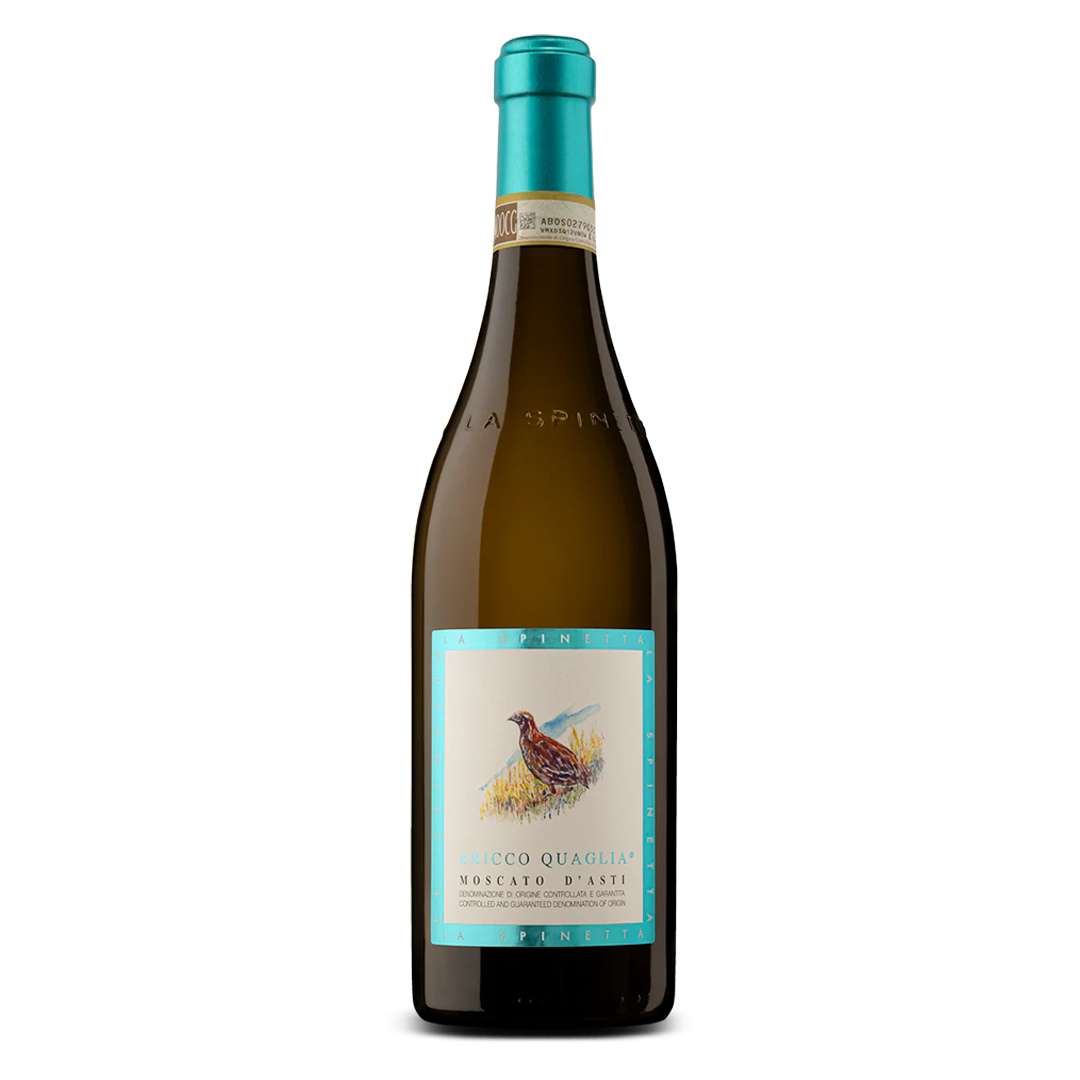
La Spinetta Moscato d’Asti Bricco Quaglia 2025
La Spinetta Moscato d’Asti Bricco Quaglia 2025
Winery Background and History
La Spinetta is one of Piemonte’s most iconic producers, founded in 1977 by the Rivetti family. Originally focused on Moscato, the winery gained early recognition with the creation of Bricco Quaglia, widely considered Italy’s first single-vineyard Moscato d’Asti. Over time, La Spinetta expanded into Barbaresco and Barolo, but Moscato remains its foundation. The estate is known for combining traditional Piedmontese identity with modern precision, producing wines that emphasize aromatic purity, terroir expression, and elegance while maintaining a strong reputation globally.
Producer and Wine Maker
The estate is run by the Rivetti family, with Giorgio Rivetti leading the vision and winemaking philosophy. Known for meticulous vineyard work and low-intervention winemaking, the team focuses on expressing varietal clarity and site-specific character. Their Moscato program reflects decades of refinement, balancing sweetness, acidity, and aromatic intensity. The winemaking approach prioritizes freshness and purity, ensuring the wine captures the natural fragrance of Moscato Bianco without heaviness or excessive sugar dominance.
Vineyards and Micro Climate
The Bricco Quaglia vineyard is located in Castagnole delle Lanze and Mango in Piemonte. The site sits around 300 meters above sea level with southern exposure, ensuring optimal ripening. The soils are calcareous marl with sandy elements, contributing to minerality and aromatic lift. Vines average around 40 years old, providing concentration and complexity. The microclimate benefits from warm days and cool nights, preserving acidity while enhancing the grape’s floral and fruit-driven aromatics.
The Wine
This is a lightly sparkling (frizzante), low-alcohol sweet wine made from 100% Moscato Bianco. It represents the benchmark style of Moscato d’Asti—fresh, aromatic, and approachable. With alcohol typically around 5–5.5%, it delivers intense perfume without heaviness. It is designed for early drinking and emphasizes balance between sweetness and freshness, making it both a dessert wine and a versatile aperitif.
Vinification and Aging Method
Fermentation occurs in temperature-controlled stainless steel autoclaves using the Martinotti (Charmat) method. Fermentation is stopped early to retain natural grape sugars and achieve low alcohol. The process typically lasts around three months, preserving aromatic compounds and freshness. There is no oak aging, ensuring purity of fruit and floral notes.
Tasting Notes
Bright straw yellow with green reflections. The nose is intensely aromatic, showing peach, mango, lychee, citrus zest, and white flowers, with hints of sage and honey. On the palate, it is lightly sparkling, sweet yet balanced by vibrant acidity. Flavors of apricot, mandarin, and tropical fruit lead into a clean, refreshing, mineral-driven finish. The texture is delicate and lively rather than heavy.
Food and Wine Pairing
Ideal with fruit-based desserts such as tarts, millefeuille, and panna cotta. Also excellent with pastries, sponge cakes, and lightly sweet Asian desserts. Surprisingly versatile, it pairs well with spicy cuisine (Thai, Sichuan) due to its sweetness and low alcohol. It also works as an aperitif or brunch wine.
Service Methods
Serve well chilled at 6–8°C. Use a medium-sized white wine glass rather than a flute to enhance aromatics. No decanting required. Best consumed fresh after opening to retain its delicate bubbles and perfume.
Scores
JS: 90 (typical recent vintages range)
WS: 88–90 (historical range)
WA: N/A
WE: 88–90
Wine Details
Wine Details
Country: Italy
Region: Piedmont
Grape Varietals:
Vintage: 2025
Volume: 750ml
Share